How Often Should Vancouver Restaurants Clean Their Kitchen Exhaust Systems?
How Often Should Restaurant Kitchen Exhaust Systems Be Cleaned?
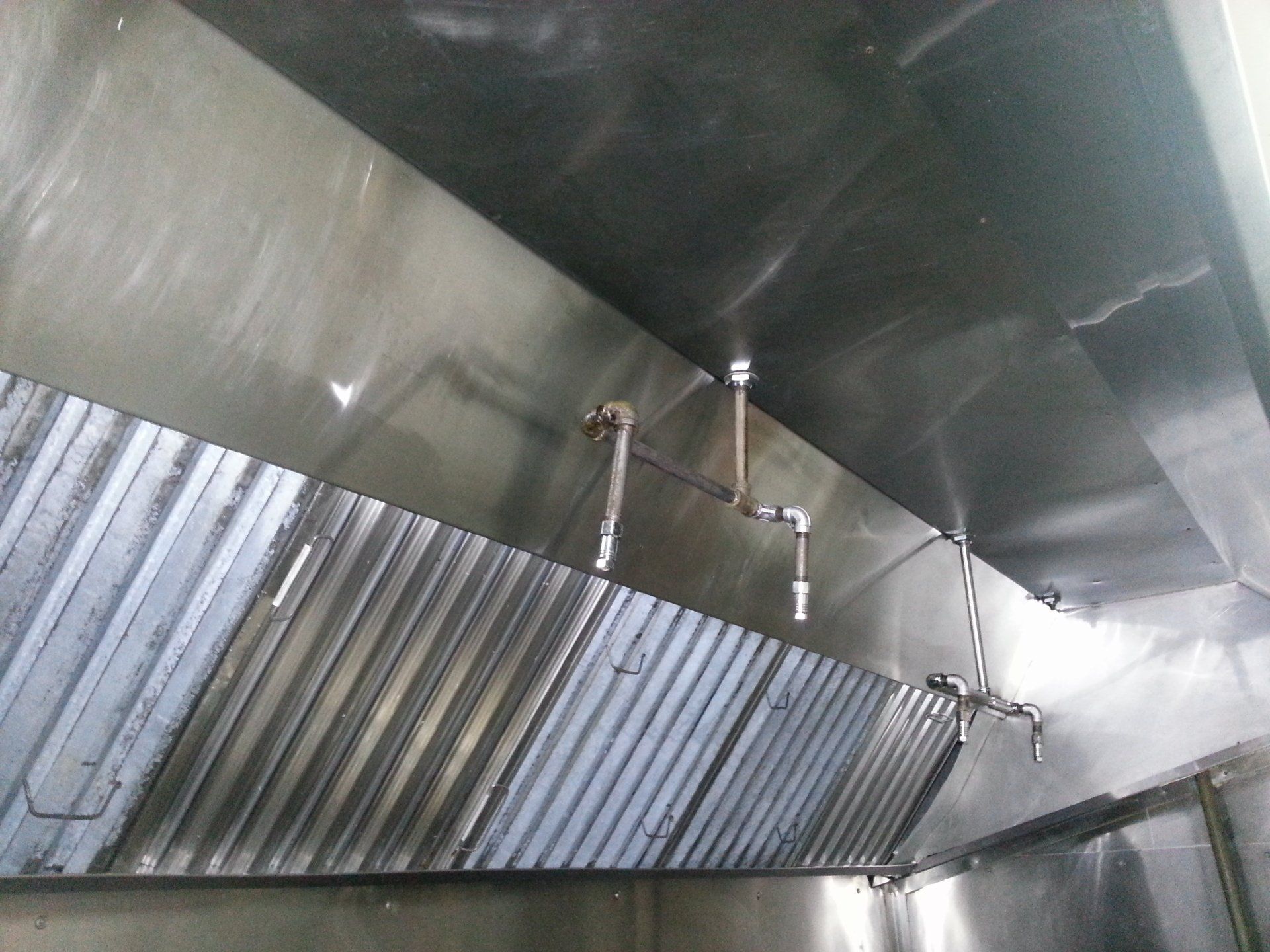
A commercial kitchen exhaust system works hard every single shift. As grease-laden steam, airborne cooking oils, and heavy smoke rise from your cook line, your canopy draws that effluent into baffle filters, through concealed ductwork, and out through rooftop fans. Over time, those cooling vapors condense into combustible grease deposits.
For restaurant owners and kitchen managers across Metro Vancouver, an essential question is straightforward: How often does a commercial kitchen exhaust system actually need professional cleaning?
There is no single schedule that fits every restaurant. The required frequency depends directly on cooking volume, the types of food prepared, fuel sources, and governing fire regulations across British Columbia.
Why Exhaust Cleaning Frequency Varies by Kitchen
The rate of grease accumulation determines how quickly an exhaust system transitions from normal kitchen extraction to an active fire hazard. Two restaurants operating side by side on the same block in Downtown Vancouver may require completely different cleaning schedules based on four primary factors:
- Fuel Type: Solid-fuel equipment—such as charcoal grills, wood-fired pizza ovens, and wood-burning rotisseries—produces creosote and ash alongside grease. These by-products combine to create an accelerated risk of rapid ignition.
- Menu and Cooking Style: High-volume deep frying, charbroiling, and wok stations generate substantially more vaporized grease than facilities primarily boiling, simmering, or baking.
- Daily Operating Hours: A 24-hour restaurant or high-turnover diner running cook lines 16 hours a day deposits grease continuously, whereas a lunch café open for four hours daily experiences significantly lower grease loading.
- Exhaust System Design: The length of horizontal duct runs, the number of turns, and the airflow efficiency of the rooftop blower determine where grease pools along the exhaust pathway.
General Cleaning Frequency Guidelines by Operation Type
Fire safety authorities and property insurers in British Columbia benchmark their inspection standards against the NFPA 96 Standard (Standard for Ventilation Control and Fire Protection of Commercial Cooking Operations). In British Columbia, technician qualifications and fire protection guidelines are overseen through organizations like ASTTBC.
Depending on cooking intensity, standard cleaning and inspection intervals generally fall into the following operational tiers:
Monthly Cleanings: Solid Fuel and High-Risk Kitchens
Kitchens utilizing solid cooking fuels (wood or charcoal), as well as 24-hour high-volume operations producing heavy grease, typically require inspection and thorough cleaning on a monthly schedule. Ash and flammable creosote mix with vaporized oils inside the ductwork, drastically elevating the risk of flash fires.
Quarterly Cleanings (Every 3 Months): High-Volume Kitchens
The majority of casual dining restaurants, burger spots, steak houses, and Asian wok kitchens fall under this category. If fryers, flat-tops, and charbroilers operate continuously throughout lunch and dinner rushes, scheduling commercial kitchen exhaust cleaning every three months prevents hazardous grease depths from accumulating in the hood canopy, duct lines, and fan blades.
Semi-Annual Cleanings (Every 6 Months): Moderate-Volume Cooking
Facilities with moderate cooking demands—such as Italian restaurants focused on pasta and sauces, hotel breakfast kitchens, catering facilities, and bakeries—often maintain full compliance and fire safety with semi-annual service. Specialized mobile kitchens and food trailers should also review dedicated kitchen exhaust cleaning for food trucks to match compact duct runs with their seasonal operating schedules.
Annual Cleanings (Once a Year): Low-Volume Cooking
Seasonal concession stands, community halls, senior centres, and day camps that produce minimal airborne grease typically require complete professional service once every 12 months.
Routine Filter Washing vs. Complete System Degreasing
A common operational misconception among new kitchen operators is assuming that clean baffle filters mean a clean exhaust system.
Baffle filters typically capture only 20% to 25% of airborne grease particles at the canopy face. The remaining 75% or more bypasses the filters, traveling upward into the internal plenum, coating long horizontal and vertical grease runs, and gathering around the rooftop exhaust fan bowl.
While kitchen staff should wash baffle filters daily or weekly in a dishwasher or soak tank, the concealed ductwork and fan assemblies require specialized high-pressure hot water washing and industrial degreasing. Routine surface wiping does not replace complete restaurant hood cleaning that clears the full path of exhaust effluent.
Operational Warning Signs That Your System Needs Immediate Cleaning
Rather than relying strictly on the calendar, kitchen operators in Vancouver should monitor these critical indicators:
- Heavy, Dripping Grease: Visible grease seeping down the back wall of the hood canopy, overflowing collection cups, or dripping along duct seams.
- Persistent Kitchen Haze: Lingering smoke and excessive heat across the cook line during regular service, indicating restricted airflow or static pressure resistance. When this occurs, addressing commercial kitchen duct cleaning is crucial to clear blocked interior airways.
- Rooftop Staining: Grease escaping around the rooftop upblast fan curb or pooling directly onto the roof membrane.
- Rattling Fan or Motor Strain: Grease deposits accumulating unevenly on blower blades will throw the assembly off balance, leading to excessive vibration and premature motor burnout. In these instances, immediate commercial exhaust fan cleaning is needed to restore proper mechanical balance.
- Lingering Stale Odours: Rancid grease smells that persist in the dining room or kitchen even after thorough end-of-night sanitizing.
Protecting Insurance and Meeting Local Inspection Standards
Beyond kitchen comfort and fire safety, adhering to an established exhaust cleaning schedule is vital for commercial insurance coverage and municipal fire regulations in British Columbia.
Fire prevention officers, local health inspectors, and property insurance adjusters routinely examine commercial kitchen ventilation logs. If an unexpected cooktop fire spreads into the exhaust ducts and maintenance records reveal neglected or overdue service, insurers may dispute or deny property damage claims.
Professional exhaust cleaning ensures that a dated compliance certificate sticker is mounted directly on the hood canopy, alongside documented service records detailing that the hood, ductwork, and rooftop fans have been thoroughly inspected and serviced.
Frequently Asked Questions
How often should a restaurant kitchen exhaust system be inspected and cleaned?
Most high-volume commercial kitchens in Metro Vancouver require professional exhaust cleaning every 3 to 6 months. High-grease or solid-fuel cooking setups (such as wood-fired broilers or round-the-clock deep fryers) need monthly cleaning, whereas low-volume seasonal kitchens may only require annual maintenance.
Do high-volume kitchens need more frequent exhaust cleaning?
Yes. Facilities running continuous fry lines, wok stations, or charbroilers generate vaporized grease at a much faster rate. For these operations, waiting 6 or 12 months allows heavy combustible grease to accumulate in concealed ductwork, creating severe fire hazards and placing excess load on exhaust fans.
Does cleaning the hood filters replace professional exhaust cleaning?
No. Daily filter cleaning is necessary in-house maintenance, but filters only trap a fraction of cooking effluent. Most grease vapor travels past the filters and settles inside inaccessible vertical ducts, dampers, and rooftop exhaust fans, which require specialized high-pressure hot water and degreasing to clean safely.
Schedule Your Commercial Kitchen Exhaust Inspection
Keeping your commercial kitchen fire-safe, code-compliant, and running efficiently starts with complete exhaust degreasing from the canopy to the rooftop fan.
Vancouver-Vent-A-Clean provides end-to-end kitchen exhaust and hood cleaning for commercial restaurants, institutional facilities, and food trucks across Vancouver, North Vancouver, West Vancouver, Burnaby, Richmond, Surrey, and the Lower Mainland.
Call +1 (604) 442-4546 or reach out online today to request a free quote and establish a maintenance schedule tailored to your kitchen's cooking volume.